
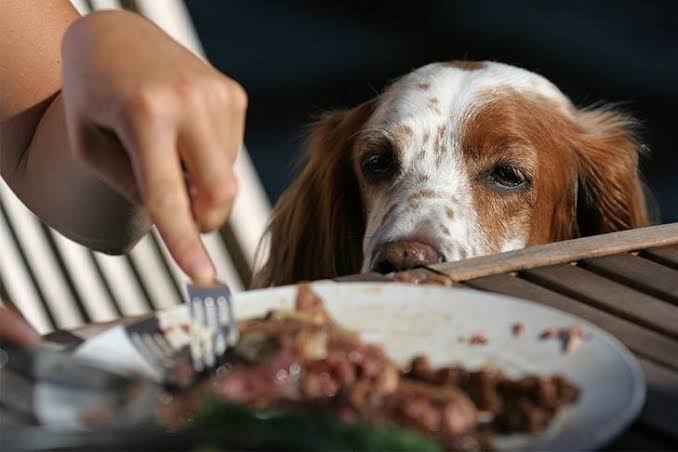
In France, very few places genuinely prohibit dogs by law. In the vast majority of cases, it is the manager of the establishment who decides. Hence the frustrating impression that the rule changes from one address to the next: it really does.
Here is the breakdown, place by place, each time with the short answer and then the nuances.
Restaurants, cafés and bars
Allowed, unless the manager decides otherwise.
No law bans the presence of a dog in a restaurant or café dining room. The manager decides alone, and they have the right to refuse.
Two exceptions to know:
- If the kitchen is entirely open to the dining room, without physical separation, the dining room becomes a food-handling area and animals are prohibited there. The terrace often remains an option.
- Guide and assistance dogs enter everywhere, without exception.
Good to know: a restaurant owner is under no obligation to display that they refuse animals. The absence of a crossed-out pictogram does not mean your dog is accepted.
Bakeries, butchers, grocers and supermarkets
Prohibited in practice.
Food shops where products are handled or displayed uncovered follow the food retail health regulations. Animals are prohibited there.
Large supermarkets follow the same rule, sometimes with a tolerance for very small dogs in the trolley, which remains a decision of the chain or the store manager, not a right.
The non-food aisles of certain DIY, garden or homeware chains, on the other hand, frequently welcome dogs on a lead.
Non-food shops
Allowed, unless decided otherwise.
Clothing stores, bookshops, florists, homeware, opticians: nothing prohibits it. It is up to the shopkeeper, and many happily accept a quiet dog on a lead.
Hotels, guest houses and rentals
Allowed, depending on the establishment''s policy.
Hotels are free to accept or not, and many charge a supplement per night per animal. This charge is legal. The points to check before booking: the supplement, the maximum size or weight, and above all whether you can leave the dog alone in the room, which is often refused.
Watch out for phrasing: "pets allowed" does not mean "pets allowed at the hotel restaurant and by the pool". Those spaces have their own rules.
Transport
Train (SNCF): allowed. Dogs under 6 kg travel in a bag or basket with a reduced-fare ticket. Larger dogs travel muzzled and on a lead, with a specific ticket. Guide and assistance dogs travel free.
Metro, tram and urban buses: the rule depends on the network, and therefore on the city. The most common pattern: small dogs in bags accepted, large dogs often refused apart from guide dogs. Check the local network''s rules.
Plane: allowed, in the cabin subject to weight limits (generally under 8 kg with the carrier) or in the hold. Each airline has its own rules, fares and per-flight quotas.
Taxis and ride-hailing (VTC): the driver can refuse, except for a guide or assistance dog. Always mention the dog when booking.
Beaches
It depends entirely on the town.
There is no national rule. Each mayor sets access for animals to their town''s beaches by municipal order, and the rules often vary by season: total ban from 1 June to 30 September on supervised beaches, out-of-season allowance, or dedicated beaches open year-round.
The useful reflex: search for "arrêté municipal plage chien" with the name of the town, or read the signs at the entrance to the beach, which are authoritative.
Parks, public gardens and forests
Municipal parks and gardens: town decision. Many allow dogs on a lead on the paths and prohibit them on lawns and in playgrounds.
Forests: allowed on a lead. Note that letting them roam free is prohibited and, under French rules, from 15 April to 30 June leads are compulsory in woods and forests to protect wildlife during breeding season.
Natural parks and reserves: often prohibited, including on a lead, in the core zones of national parks. Check before setting off on a hike.
Museums, châteaux and cultural sites
Prohibited in most museums, allowed in many gardens.
Collections and indoor spaces are generally closed to animals, guide dogs excepted. On the other hand, the gardens and grounds of many châteaux and estates welcome dogs on a lead, sometimes with seasonal restrictions or dedicated days.
Doctors'' surgeries, government offices and places of worship
It depends on the place, with no general rule.
Government offices and town halls rarely accept animals. Doctors'' surgeries most often refuse. Places of worship depend on the decision of the person in charge. In all these cases, guide and assistance dogs retain their right of access.
The only case where refusal is illegal
Article 88 of the French law of 30 July 1987, supplemented by the law of 11 February 2005, guarantees people with disabilities access to places open to the public, transport, and professional premises with their guide dog for the blind or their assistance dog, at no extra cost.
Refusing this access is a third-class contravention under French law, punishable by a fine of up to 450 euros. This rule allows no health exception: it applies even in a restaurant with an open kitchen or a food shop.
For all other dogs, refusal remains legal. We cover your options and how to react on the spot in our guide Turned away with your dog: your rights.
How to know before you head out
Three methods, in order of effectiveness:
- Check a dog-friendly map. The information is already verified and filterable by city and by type of shop. That is the whole point of the dogs-friendly.fr map.
- Look up the establishment''s Google listing. The "Pets allowed" attribute appears there when the shopkeeper has filled it in. Note: the absence of the attribute does not mean refusal — many shopkeepers have simply never ticked it.
- Call. The most reliable method, and the fastest for a specific place. The right question is not "do you accept dogs?" but "I''d like to come with my dog, he stays lying under the table, is that possible in the dining room or only on the terrace?" It gets many more yeses.
Summary
Place: Dog allowed?
Restaurant, café, bar: Yes, if the manager accepts Restaurant with open kitchen: No indoors, terrace possible Bakery, butcher, grocer: No Supermarket: No, tolerances vary Non-food shop: Yes, if the shopkeeper accepts Hotel: Yes, often with a supplement Train: Yes, with a ticket Metro, bus, tram: Depends on the local network Beach: Depends on the municipal order Forest: Yes, on a lead from 15 April to 30 June Museum: No, gardens often yes Guide or assistance dog: Yes, everywhere
Frequently asked questions
Does a shopkeeper have the right to refuse my dog? Yes, in the vast majority of cases. Only guide dogs for the blind and assistance dogs benefit from a right of access guaranteed by law.
Are dogs allowed in supermarkets? No. The health regulations applicable to food shops exclude the presence of animals. Some chains tolerate very small dogs in trolleys, without it being a right.
Can I take my dog to a restaurant in France? Yes, if the restaurant owner accepts. No law bans it, except when the kitchen is entirely open to the dining room.
Can my dog go on any beach? No. Access is set town by town by municipal order, often with a summer ban on supervised beaches.
Do you have to muzzle your dog on public transport? On the train, yes for dogs over 6 kg travelling outside a bag. Rules vary depending on urban networks and airlines.
How can I find a dog-welcoming shop near me? The simplest way is to check a dog-friendly map filterable by city and type of establishment, rather than trying at random.
Further answers in our FAQ on dogs and shops.
Are you a shopkeeper wondering what the regulations actually allow you? It is all detailed in what the law says about dogs in shops.
Find in seconds the shops that welcome your dog around you: open the map.